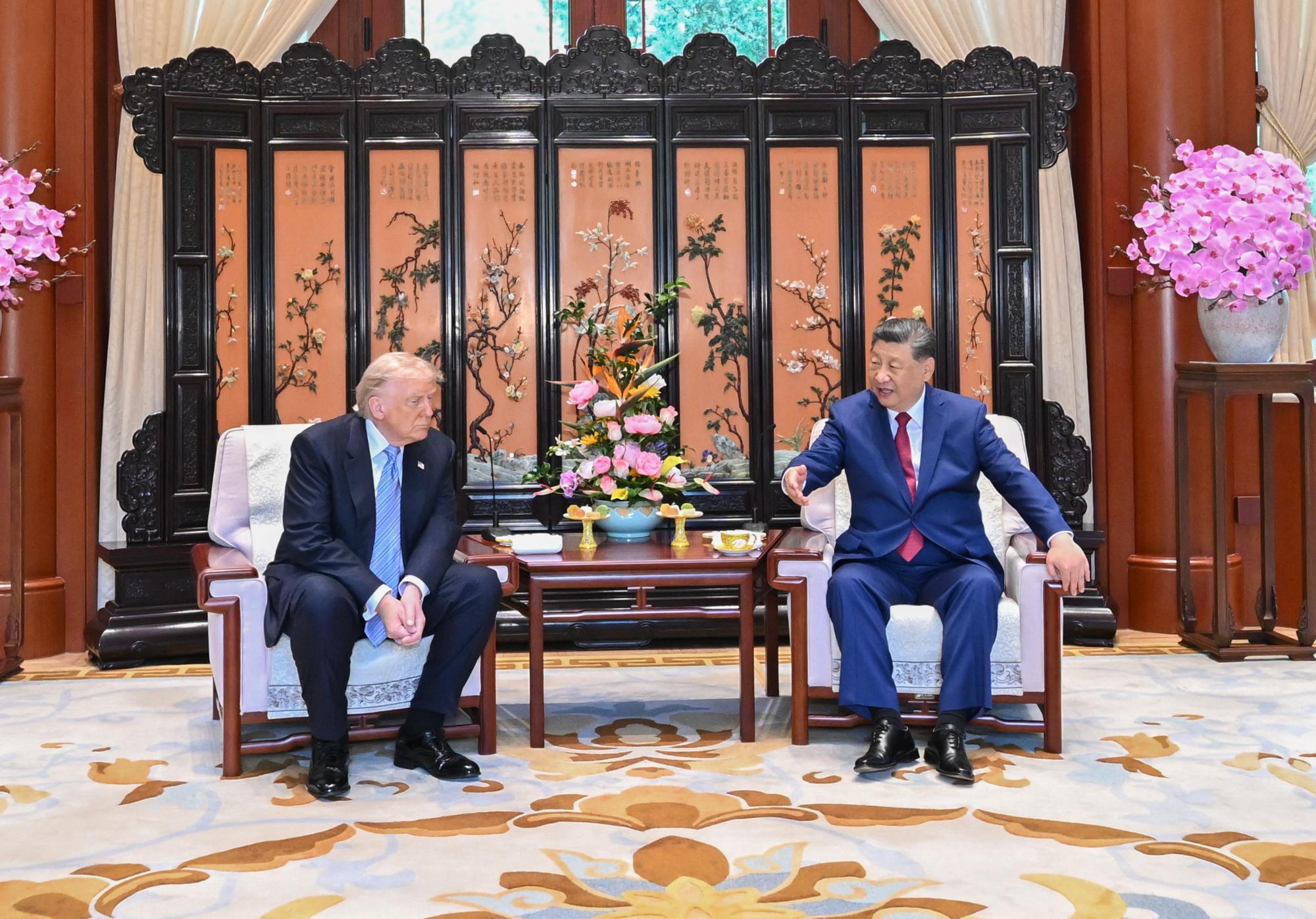
The interim U.S.–Iran ceasefire agreement signed in June 2026 marked a significant, though fragile, turning point after months of military confrontation and diplomatic deadlock. The prolonged negotiations revealed a series of structural obstacles: the erosion of professional diplomacy under President Trump, the incompatibility between Washington’s maximalist objectives and Tehran’s nuclear red lines, the corrosive effects of coercive military pressure, deep divisions within Iran’s political establishment, and repeated Israeli efforts to disrupt the negotiating process. Although the agreement temporarily suspended hostilities and preserved diplomatic channels, it left the central disputes over uranium enrichment, sanctions relief, ballistic missiles, and regional influence unresolved. The ceasefire should therefore be understood less as a definitive peace settlement than as a narrow and uncertain opportunity to prevent renewed escalation.