India’s Maritime Priorities in 2030

Author Name
Research Fellow
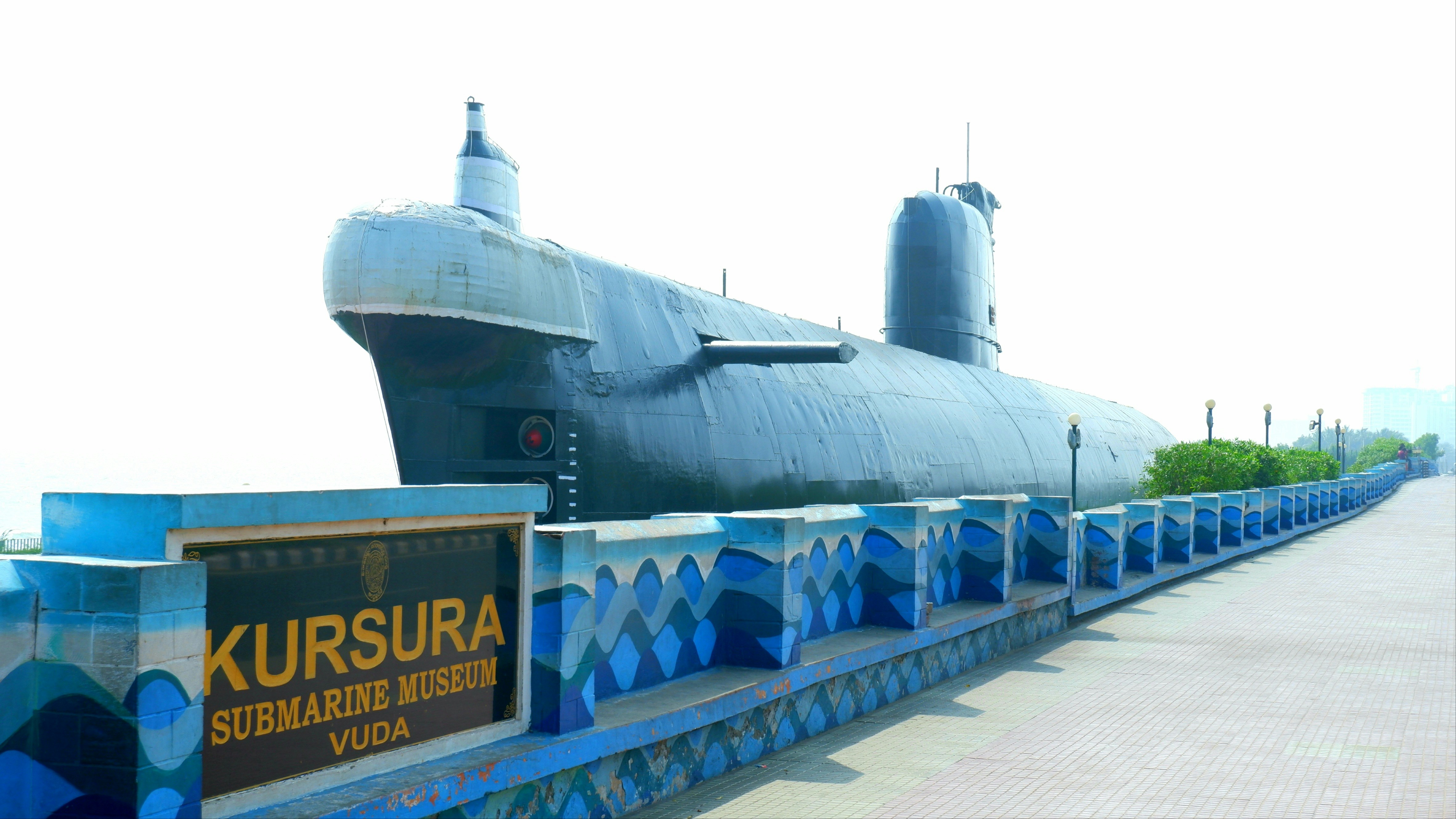
By 2030, India’s maritime strategy is expected to become a defining pillar of its national security architecture. With over 90% of trade volume passing through maritime routes and increasing strategic competition in the Indian Ocean, India has prioritized a strengthened naval presence, enhanced domain awareness, and expanded partnerships with key regional actors.
India’s naval modernization includes the induction of new destroyers, submarines, maritime patrol aircraft, and unmanned systems. These capabilities reflect a shift toward a blue-water navy capable of projection, deterrence, and sustained operations across the Indo-Pacific. The establishment of the Information Fusion Centre–Indian Ocean Region (IFC-IOR) also positions India as a central hub for maritime domain awareness.
Governance remains a core pillar. India continues to champion initiatives for a rules-based maritime order, freedom of navigation, and secure sea lanes. The Indian Ocean Rim Association (IORA), Colombo Security Conclave, and BIMSTEC provide platforms for cooperation on maritime security, disaster response, and environmental resilience.
Rising challenges—including China’s expanding presence in the Indian Ocean, piracy, illicit trafficking, and climate-driven risks—require India to strengthen multi-agency coordination and invest in new technologies. Partnerships with Japan, Australia, France, and the U.S. enhance interoperability and contribute to a more resilient regional architecture.
By 2030, India’s maritime strategy will balance deterrence, cooperation, and capacity-building—positioning it as a key stabilizing actor in the Indo-Pacific.
Key Findings:
India is transitioning toward a blue-water naval posture.
IFC-IOR expands India’s role in regional maritime domain awareness.
Multilateral platforms strengthen India’s cooperative role.
Strategic competition in the Indian Ocean is intensifying.
Policy Implications:
India should scale investments in maritime technology, unmanned systems, and joint exercises.
Stronger coordination with Indo-Pacific partners will be essential.
Climate risks and non-traditional threats require integrated maritime responses.
Related Reads for You
Discover more research and analysis on topics shaping the Indo-Pacific.